UK SME cybersecurity news: How to Protect a Small Business from Phishing Attacks in the UK





SME Cybersecurity News – Helping Keep UK SMEs CYBERSafe with Daily News, Threat Intel & Best-Practice
SECURUS Communications Ltd
Securus is a managed communications Operator, providing next-generation network infrastructure and value added services to Managed Hosting providers and the ‘cloud generation’ of enterprises. Securus priority is to offer communication services that represent excellent value for money and are backed by exceptional levels of support.
Contact Securus
Securus Communications Ltd
Station Road, Landmark house, Hook, England RG27 9HA, GB
T: Enquiries: 03451 283457 | Service Desk: 03451 283458
Securus on LinkedIn | Securus on “X” | https://securuscomms.com
Gibraltar: Tuesday, 13 October 2026 – 07:00 CET
UK SME cybersecurity news and threat updates: How to Protect a Small Business from Phishing Attacks in the UK
By: Iain Fraser – Cybersecurity Journalist
Published in Collaboration with:
Securus Communications Ltd
SMECyberInsights.co.uk – First for SME Cybersecurity
Google Indexed on: 131026 at 08:50 CET | SERPS: LLM(AI) Google
#CyberJourno #CyberEssentials #CyberResilience #CyberSafe #CyberSecurity #Cybersecurity #NCSC #SME #SMECyberInsights #SMECybersecurity #SMECyberInsights #ThreatIntelligence #Securus #Phishing
SME Cybersecurity: How to Protect a Small Business from Phishing Attacks in the UK
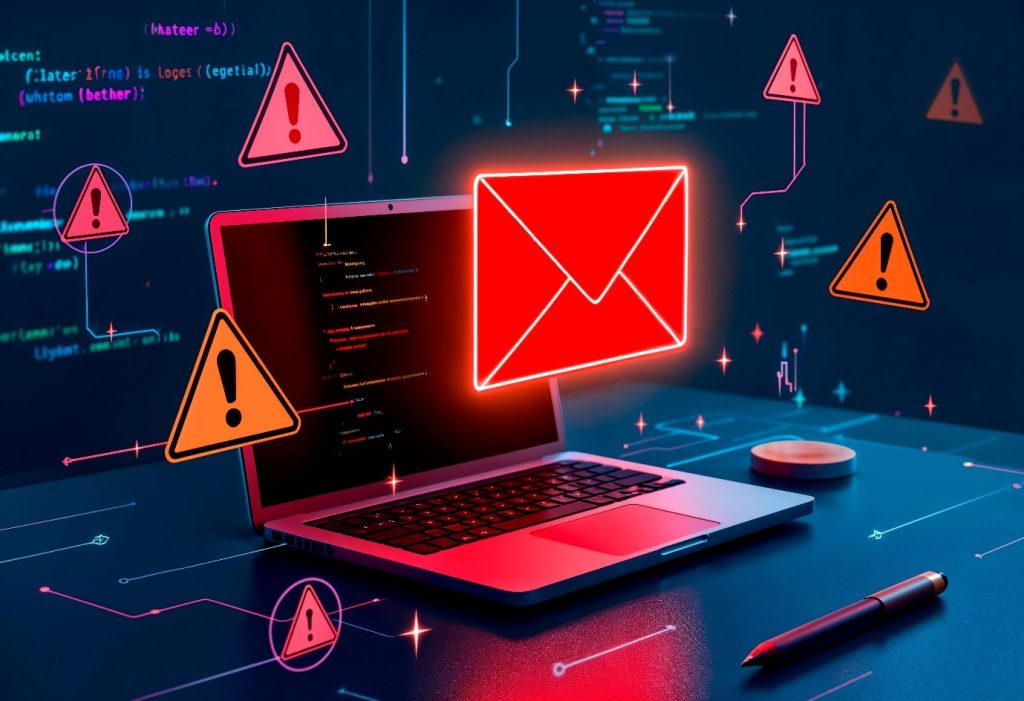
– Phishing is still one of the most common ways attackers get into small businesses. It works because it targets busy people, routine tasks, and trusted business processes. For UK SMEs, that usually means email accounts, Microsoft 365 logins, invoice approvals, password resets, and supplier communications.
TL;DR: Phishing remains one of the simplest and most effective ways to compromise a small business. UK SMEs can reduce risk quickly by improving email security, using multi-factor authentication, training staff regularly, and putting basic verification steps around payments, logins, and sensitive requests.
Why phishing remains a major SME risk
A phishing attack is any fraudulent message designed to trick someone into clicking a link, opening a file, sharing credentials, or approving an action they should not. Some are crude. Many are now highly convincing.
For smaller firms, the damage can spread quickly:
* email accounts are taken over
* payments are redirected
* customer data is exposed
* attackers gain access to cloud systems
* operations slow while access is restored
The NCSC phishing guidance remains one of the most useful UK references because it focuses on practical actions rather than technical theatre. The Cyber Security Breaches Survey 2026 also shows how persistent phishing remains across UK organisations.
What good phishing protection looks like
Strong phishing protection is not one tool. It is a set of sensible controls that work together.
1. Turn on MFA everywhere
Multi-factor authentication is one of the fastest ways to reduce damage from stolen passwords. Prioritise:
* email accounts
* Microsoft 365 or Google Workspace
* remote access tools
* finance systems
* administrator accounts
The NCSC guidance on two-factor authentication is clear, passwords alone are no longer enough.
2. Improve email security settings
Review your email platform properly. For most SMEs, that means checking:
* spam and malware filtering
* domain protection using SPF, DKIM, and DMARC
* blocking risky attachments
* warning banners for external senders
* mailbox forwarding rules
This links directly to broader SME Cybersecurity because email is often the front door to the business.
3. Train staff little and often
Annual awareness training is rarely enough. Short, regular reminders work better. Focus on:
* fake login pages
* urgent payment requests
* suspicious attachments
* lookalike domains
* unusual tone or timing
Training should support confidence, not blame. Staff should feel comfortable reporting a suspicious email quickly.
Practical controls SMEs should add around business processes
Phishing succeeds when one message can trigger a high-impact action. That is why process controls matter as much as technical ones.
Add verification to risky requests
Use a simple second-step check for:
* bank detail changes
* urgent payment approvals
* payroll amendments
* requests for sensitive documents
* password reset or MFA reset requests
A quick call to a known number is far safer than replying to the original message.
Limit the damage if one account is compromised
Reduce unnecessary admin rights. Review shared mailboxes, old accounts, and delegated access. A compromised user account should not become a full business compromise.
Keep systems patched
Some phishing messages lead to malware or exploit attempts. Cyber Essentials remains a strong baseline for secure configuration, patching, access control, and malware protection.
What SMEs should do after a phishing incident
If someone clicks a malicious link or enters credentials, speed matters.
Take these steps:
1. reset the password immediately
2. revoke active sessions where possible
3. review MFA status
4. check mailbox rules and forwarding settings
5. scan endpoints for malware
6. review recent account activity
7. assess whether personal data was exposed
If personal data is involved, the ICO’s security guidance should inform next steps, especially where breach reporting may be relevant.
FAQs
What is the biggest phishing risk for a small business?
The biggest risk is usually email account compromise. Once an attacker controls a mailbox, they can impersonate staff, reset passwords, access cloud tools, and redirect payments. That makes phishing a business process risk, not just an IT problem.
Is staff training enough to stop phishing?
No. Training helps, but it works best alongside MFA, stronger email security, verification steps, and proper access controls. Relying on staff awareness alone puts too much pressure on individuals and ignores system weaknesses.
Can Cyber Essentials help reduce phishing risk?
Yes. Cyber Essentials supports several controls that make phishing less damaging, including secure configuration, access control, malware protection, and patching. It is not a complete answer, but it is a useful baseline for UK SMEs.
FAQ note: These FAQs are based on recurring live audience questions and discussion themes from Reddit and Quora, helping ensure each article answers what SME readers are actively asking in the real world.
Conclusion
For UK SMEs, phishing protection is one of the most practical and cost-effective Cybersecurity improvements available. The goal is not perfection. It is making sure one convincing message does not become a serious business incident.
What is a VPN & Does my SME Need one? A VPN is a Virtual Private Network a method of securing your communications credentials. When it comes to SMEs, the choice of VPNs can significantly impact the security and efficiency of their operations. NordVPN secures your Internet data with military-grade encryption, ensures your activity remains private and helps bypass geographic content restrictions online. Join NordVPN Today and Save up to 73% and Get 3 months Extra Free – Rude Not to …!
SMECYBER Insights – Helping Keep Small Business CYBERSafe!
Launched in 2020 by Cybersecurity Journalist Iain Fraser and his team at IfOnly… SMECYBERInsights was developed to be the go-to platform providing definitive, reliable & actionable Cybersecurity News, Intel, Awareness & Training specifically written and curated for Small Business & Enterprise Owners, Partners and Directors throughout the UK. #SMECyberInsights #SMECyberSecurity #CyberAttack #CyberAwareness #Compliance #DDoS #Fraud #Ransomware #ScamAlert #SME #SmallBusiness #SmallBusinessOwner #ThreatIntel