SME Cybersecurity: What Operation PowerOFF means for UK SMEs facing DDoS-for-hire attacks




SME Cybersecurity News | SMECYBERInsights.co.uk
SME Cybersecurity News – Helping Keep UK SMEs CYBERSafe with Daily News, Threat Intel & Best-Practice

Gibraltar: Friday, 24 April 2026 – 07:00 CET
SME Cybersecurity: What Operation PowerOFF means for UK SMEs facing DDoS-for-hire attacks
By: Iain Fraser – Cybersecurity Journalist
Published in Collaboration with:
Securus Technology Group
SMECyberInsights.co.uk – First for SME Cybersecurity
Google Indexed on: 240426 at 09:26 CET
#SMECyberInsights #SMECybersecurity #SMECyberInsights #SME #CyberSafe #CyberSecurity #Cybersecurity #Europol #takeDown #PowerOff
SME Cybersecurity: What Operation PowerOFF means for UK SMEs facing DDoS-for-hire attacks
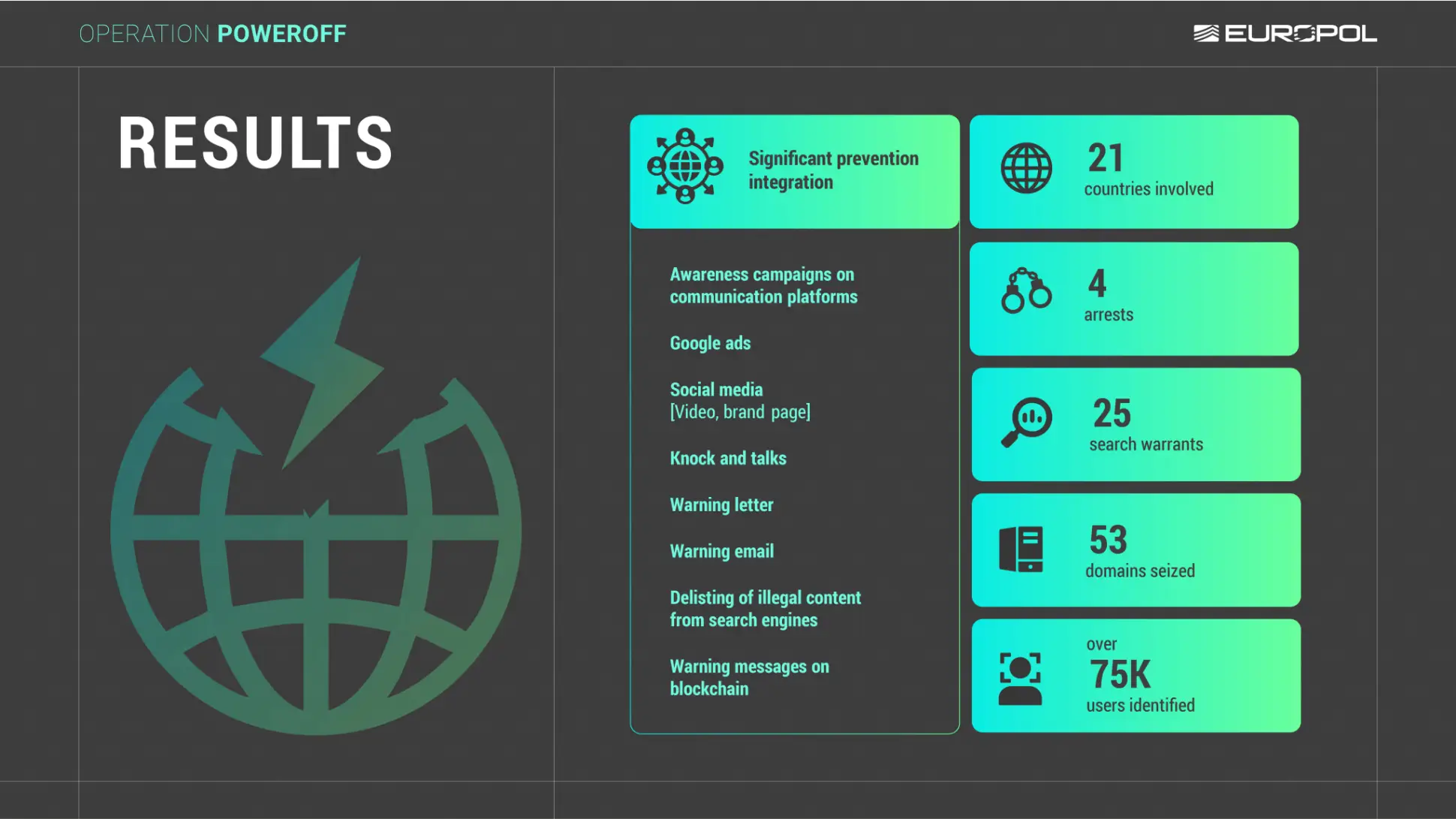
DDoS used to be “someone else’s problem”; big brands, gaming platforms, or government sites. That is no longer true. UK SMEs are now caught in the blast radius of cheap DDoS-for-hire services, often as a distraction while criminals attempt account takeover, extortion, or payment fraud. Europol’s latest Operation PowerOFF update shows why this matters: coordinated action across multiple countries targeted over 75,000 users engaged in DDoS attacks, aiming to dismantle the DDoS-for-hire ecosystem.
For SME owners, the point is not the headline. The point is operational resilience: if your website, customer portal, VoIP, or remote access goes down for hours, the business impact is immediate, even if no data is stolen.
What is a DDoS attack and why does it hit SMEs hard?
A distributed denial-of-service (DDoS) attack floods an online service with traffic from many devices, so genuine customers cannot get through. Think of it as a phone line jammed with nuisance calls, except it can be scaled up on demand.
SMEs feel DDoS disproportionately because:
* You may rely on one hosted website, one e-commerce storefront, or one booking system.
* You may not have 24/7 monitoring; outages are spotted by customers first.
* You may lack a pre-agreed mitigation service; response becomes frantic and expensive.
DDoS-for-hire, sometimes called “booters” or “stressers”, lowers the barrier further. It allows non-technical users to buy disruption by the hour, which increases nuisance attacks and opportunistic extortion. Europol describes Operation PowerOFF as specifically targeting criminal DDoS-for-hire infrastructure.
What happened in Operation PowerOFF, and what is the practical signal for SMEs?
Europol’s statement highlights prevention and enforcement actions across 21 countries, including warning messages to tens of thousands of users. Wider reporting also notes domain takedowns and coordinated disruption activity. Whether or not you ever see a DDoS “in the wild”, the signal is clear: law enforcement treats DDoS-for-hire as mainstream cybercrime, and the market is large enough to warrant international action
For UK SMEs, that means you should plan for disruption as routine, not rare.
Actionable guidance: the SME DDoS resilience checklist you can implement quickly
You do not need enterprise kit. You need clarity, defaults, and rehearsed actions.
1. Know what must stay online
* List your critical internet-facing services: website, customer portal, payment pages, DNS, VPN, VoIP.
* Note who hosts each service and how to contact them out of hours.
2. Put basic DDoS protection in place at the edge
* If you use a CDN or reverse proxy, enable its DDoS and rate-limiting features.
* If you do not, ask your hosting provider what DDoS mitigation is included by default.
3. Harden DNS and domain control
* Turn on MFA for your domain registrar and DNS provider.
* Lock down admin access; DDoS is often paired with attempts to tamper with DNS.
4. Create a “DDoS playbook” on one page
* What to check first (hosting status, DNS, CDN dashboards).
* Who decides to failover or to put up a static status page.
* What you tell customers, and where you post updates.
5. Use Cyber Essentials thinking to reduce opportunistic escalation Cyber Essentials is not a DDoS standard, but its controls reduce the chances a disruption becomes a breach, especially around access control, secure configuration, and patching.
Authority and evidence: where UK SMEs should anchor decisions
* NCSC’s Cyber Essentials baseline is a sensible minimum for day-to-day security control in SMEs; it also helps with procurement and supply chain expectations.
* If a DDoS incident leads to personal data compromise, UK GDPR security expectations and incident management requirements can become relevant; the ICO’s security guidance is the right reference point for “appropriate measures”.
This week, write your one-page DDoS playbook and test the contact route to your hosting provider. If you cannot reach them quickly, that is your first risk to fix.
SECURUS Communications Ltd
Securus is a managed communications Operator, providing next-generation network infrastructure and value added services to Managed Hosting providers and the ‘cloud generation’ of enterprises. Securus priority is to offer communication services that represent excellent value for money and are backed by exceptional levels of support.
Contact Securus
Securus Communications Ltd
Station Road, Landmark house, Hook, England RG27 9HA, GB
T: Enquiries: 03451 283457 | Service Desk: 03451 283458
Securus on LinkedIn | Securus on “X” | https://securuscomms.com