Is Your SME Prepared for the Surge in AI-Powered Phishing Scams Targeting UK Businesses in 2025?









SME Cybersecurity News | SMECYBERInsights.co.uk
SME Cybersecurity News – Helping Keep UK SMEs CYBERSafe with Daily News, Threat Intel & Best-Practice

Helping Keep Small Business CYBERSafe!
Gibraltar: Friday 21 November 2025 at 08:00 CET
Is Your SME Prepared for the Surge in AI-Powered Phishing Scams Targeting UK Businesses in 2025?
By: Iain Fraser – Cybersecurity Journalist
Published in Collaboration with: Nord VPN
SMECyberInsights.co.uk – First for SME Cybersecurity
Google Indexed on 211125 at 08:12 CET
#SMECyberInsights #SMECyberAwareness #CyberSafe #SME #SmallBusiness #SMECybersecurity #PhishingScams #UKSMEs #PhishingAwareness #CyberDefence
Is Your SME Prepared for the Surge in AI-Powered Phishing Scams Targeting UK Businesses in 2025?
Phishing scams are the leading Cybersecurity threat to UK Small & Medium Enterprises in 2025, with artificial intelligence enabling hyper-realistic attacks that evade detection and lead to ransomware. For SME owners and directors managing tight budgets and hybrid teams, these evolving threats can trigger financial loss, operational chaos, and reputational damage; recent data shows 84% of UK businesses faced phishing-driven breaches last year, making immediate preparation non-negotiable.
Why This Matters
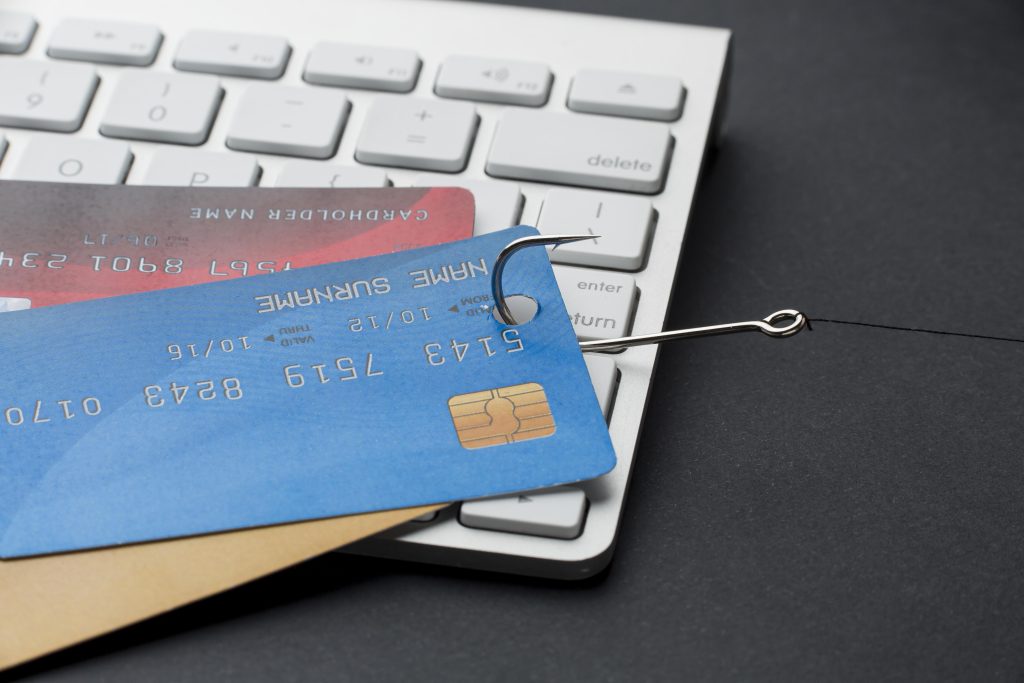
Phishing is a cyber attack that tricks users into revealing sensitive data or clicking malicious links, often initiating ransomware that locks critical systems. For Small & Medium Enterprises, the consequences extend beyond recovery costs. Key risks include:
* Escalating Financial Impact: Each incident averages £1,205 in direct costs, with larger breaches reaching £50 million.
* Ransomware Gateway: 37% of SMEs encountered ransomware in 2025, frequently launched via phishing emails mimicking urgent invoices.
* Reputation Erosion: Data leaks from phishing undermine customer trust, with 96% of organisations hit at least once annually.
* Operational Downtime: Attacks disrupt workflows, especially in remote setups where personal devices widen vulnerabilities.
* Regulatory Exposure: Non-compliance with UK GDPR following a breach adds fines, straining limited SME resources.
Authoritative Insight
Phishing remains the dominant attack vector, responsible for 79% of UK business incidents between 2022 and 2023, a figure rising sharply in 2025 due to AI-generated deepfakes and personalised lures. The UK Government’s Cyber Security Breaches Survey 2025 reports 43% of businesses suffered attacks, with phishing topping the list; alarmingly, 69% of SMEs lack formal Cybersecurity policies. The NCSC highlights emerging variants like smishing (SMS-based) and quishing (QR code scams), which exploit mobile workflows. Industry analyses from CIFAS reveal a 1,000% increase in SIM-swap fraud, bypassing two-factor authentication. As remote and hybrid work solidifies, 83% of UK SMEs experienced phishing in recent years, underscoring the need for adaptive, multi-layered defences grounded in real-time threat intelligence.
SME-Specific Impact
Small & Medium Enterprises, defined as businesses with up to 250 employees and turnover below £50 million as detailed in this guide, are prime targets due to constrained IT budgets and reliance on multifunctional staff. Their agility aids rapid growth but amplifies exposure in unsecured environments. Specific impacts encompass:
* Limited Defences: Over 720,000 attack attempts hit businesses yearly, with SMEs often delaying patches that close 31% of phishing exploits.
* Remote Work Vulnerabilities: Unsecured home networks and MFA fatigue enable spear-phishing tailored to individuals.
* Supply Chain Ripple Effects: A single compromised SME can halt partner operations through shared data flows.
* Recovery Strain: With only 22% maintaining incident response plans, prolonged outages exacerbate £136 average losses per phishing event. However, SMEs’ compact size facilitates swift implementation of targeted protections, converting risks into resilience advantages.
Benefits for SMEs
Robust anti-phishing measures deliver strategic value to Small & Medium Enterprises, preventing breaches that could stall expansion. Employee training alone cuts successful attacks by 90%, streamlining operations through reduced incident response times. Advanced email filtering and MFA integration minimise manual checks, allowing directors to prioritise revenue-generating activities.
When phishing escalates to ransomware, many SMEs find cloud backups compromised as malware spreads across synced environments. Dedicated Cyber Recovery Infrastructure with immutable, air-gapped storage proves essential; regular testing ensures viability, avoiding the pitfalls of over-reliance on vulnerable cloud solutions. For UK SMEs, these practices not only curb downtime—costing £1,000 hourly on average—but also enhance compliance and client confidence, positioning Cybersecurity as a differentiator in competitive tenders. Ultimately, proactive investment fortifies data integrity, sustains cash flow, and accelerates post-incident recovery.
Quick Action Steps
1. Run Simulations: Use the NCSC free toolkit to test staff phishing recognition quarterly.
2. Enforce Strong MFA: Adopt app- or hardware-based authentication; eliminate SMS to thwart SIM swaps.
3. Install Advanced Filters: Deploy AI-driven email security to block deepfakes and malicious attachments pre-emptively.
4. Deliver Ongoing Training: Conduct bite-sized sessions on smishing, vishing, and whaling using real case studies.
5. Build Response Plans: Draft and drill a formal incident protocol, assigning clear roles for breach containment.
6. Secure Backups: Implement immutable, offline Cyber Recovery systems tested monthly against ransomware scenarios.
7. Encourage Reporting: Cultivate a blame-free culture with easy channels to flag suspicious messages instantly.
Looking Ahead
AI will intensify phishing sophistication through 2030, incorporating voice cloning and adaptive social engineering to challenge SME defences. That said, early adoption of integrated tools and awareness programmes will empower UK Small & Medium Enterprises to lead in secure digital transformation. Acting decisively now secures not merely survival, but sustained growth in an increasingly hostile cyber landscape.
What is a VPN & Does my SME Need one? A VPN is a Virtual Private Network a method of securing your communications credentials. When it comes to SMEs, the choice of VPNs can significantly impact the security and efficiency of their operations. NordVPN secures your Internet data with military-grade encryption, ensures your activity remains private and helps bypass geographic content restrictions online. Join NordVPN Today and Save up to 73% and Get 3 months Extra Free – Rude Not to …!