SME Cybersecurity Threat Intel: Why Phishing Now Beats Ransomware for UK Small Businesses





SME Cybersecurity News | SMECYBERInsights.co.uk
SME Cybersecurity News – Helping Keep UK SMEs CYBERSafe with Daily News, Threat Intel & Best-Practice

Gibraltar: Friday, 05 June 2026 – 07:00 CET
SME Cybersecurity Threat Intel: Why Phishing Now Beats Ransomware for UK Small Businesses
By: Iain Fraser – Cybersecurity Journalist
Published in Collaboration with:
Securus Communications Ltd
SMECyberInsights.co.uk – First for SME Cybersecurity
Google Indexed on:
#SMECyberInsights #SMECybersecurity #SMECyberInsights #SME #CyberSafe #CyberSecurity #Cybersecurity #NCSC #CyberEssentials #CyberResilience #PhishingProtection
SME Cybersecurity Threat Intel: Why Phishing Now Beats Ransomware for UK Small Businesses
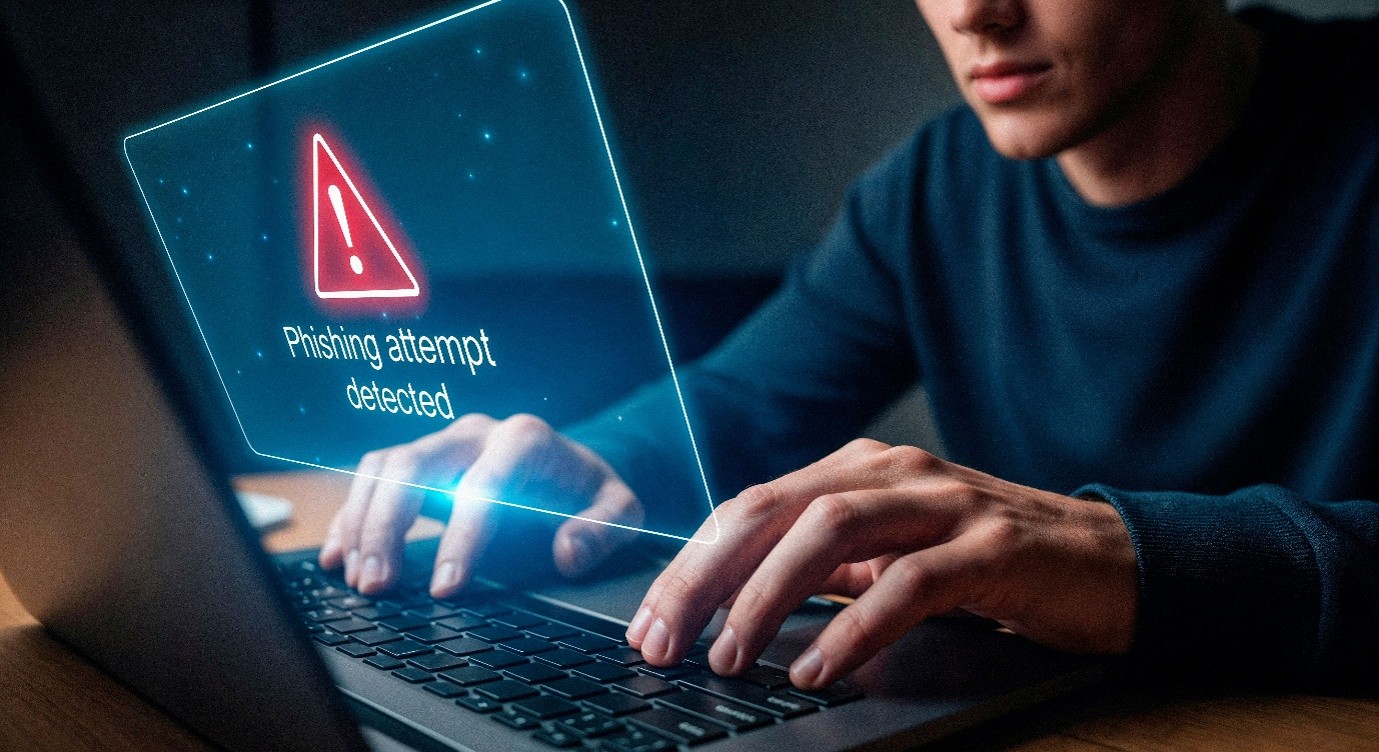
Phishing is now the cyber threat most UK SMEs are most likely to face, and that shift matters because it changes where limited time and budget should go first. According to the UK government’s Cyber Security Breaches Survey 2025, phishing remains the most common type of breach or attack, affecting 85% of businesses and 86% of charities that identified any cyber incident. For SMEs, this is not just another awareness story; it is a reminder that everyday email compromise is often the route into bigger financial, operational, and data protection problems.
SME Cybersecurity and why phishing now matters more than ransomware
Ransomware still attracts headlines because the disruption is dramatic. However, phishing is more common, easier to scale, and often cheaper for criminals to deploy. In practice, phishing is any fraudulent message, usually by email, designed to trick someone into clicking a malicious link, opening a harmful attachment, handing over credentials, or approving a payment.
For SMEs, the real danger is not only the message itself. It is what follows. A single successful phishing email can lead to:
* business email compromise, where attackers impersonate staff or suppliers
* account takeover, especially where multi-factor authentication (MFA) is missing
* malware delivery, including ransomware and data theft tools
* UK GDPR security measures failures if personal data is exposed
That is why phishing now beats ransomware as a board-level issue. It is often the first domino.
How does phishing affect small businesses differently?
SMEs are often hit harder because they tend to have fewer internal checks and leaner IT support. One person may manage finance, supplier relationships, and admin access. Shared inboxes, older laptops, basic Microsoft 365 setups, and outsourced IT all create small gaps attackers know how to exploit.
That said, phishing protection for SMEs does not need to be expensive to be effective. The strongest gains usually come from tightening routine controls rather than buying another dashboard.
What Cyber Essentials controls should SMEs prioritise first?
The most effective sme cyber security best practices are still the fundamentals backed by the Cyber Essentials scheme and practical guidance from the NCSC Small Business Guide
Start with the highest-impact actions
1. Turn on MFA everywhere you can
Prioritise email, remote access, finance platforms, and admin accounts. MFA blocks many basic account takeover attempts.
3. Remove shared admin accounts
Shared logins make investigation and accountability difficult. Every privileged user should have their own named account.
4. Filter and flag suspicious email
Use anti-phishing controls already available in Microsoft 365 or Google Workspace. Many SMEs underuse what they already pay for.
5. Train staff with realistic examples
Short, repeated awareness prompts work better than an annual lecture. Focus on invoice fraud, fake password reset messages, and supplier impersonation.
6. Patch internet-facing systems quickly
Phishing often works best when combined with weak endpoints or outdated software. Good endpoint security for small business still matters.
7. Create a basic cyber incident response process
Staff should know who to call, what to isolate, and how to report a suspicious email. The NCSC guidance is a good starting point.
Why this also supports compliance
These steps also support ICO expectations on security under UK GDPR. If personal data is involved, regulators will expect proportionate controls, not good intentions written in a policy folder.
The practical takeaway for SME Cyber resilience
For UK small business cyber threats, phishing is now the more common and more immediate risk. Ransomware prevention UK still matters, but most SMEs should begin by making credential theft, payment fraud, and malicious email harder to pull off.
The key takeaway is simple: start with email, identity, and user behaviour. That is where many attacks begin, and it is where SME Cyber resilience can improve fastest without a large security budget.
Review your email security, MFA coverage, and privileged accounts this week. Those three checks will do more for most SMEs than another policy document ever will.
SECURUS Communications Ltd
Securus is a managed communications Operator, providing next-generation network infrastructure and value added services to Managed Hosting providers and the ‘cloud generation’ of enterprises. Securus priority is to offer communication services that represent excellent value for money and are backed by exceptional levels of support.
Contact Securus
Securus Communications Ltd
Station Road, Landmark house, Hook, England RG27 9HA, GB
T: Enquiries: 03451 283457 | Service Desk: 03451 283458
Securus on LinkedIn | Securus on “X” | https://securuscomms.com