SME Cybersecurity News | SMECYBERInsights.co.uk
SME Cybersecurity News – Helping Keep UK SMEs CYBERSafe with Daily News, Threat Intel & Best-Practice

SME Cybersecurity News | SMECYBERInsights.co.uk
SME Cybersecurity News – Helping Keep UK SMEs CYBERSafe with Daily News, Threat Intel & Best-Practice


Gibraltar: Friday, 22 May 2026 – 07:00 CET
SME Cybersecurity and the UK National Cyber Defence Push: What AI Security Policy Means for SMEs
By: Iain Fraser – Cybersecurity Journalist
Published in Collaboration with:
Securus Technology Group
SMECyberInsights.co.uk – First for SME Cybersecurity
Google Indexed on: xxxxx at xxxx
#SMECyberInsights #SMECybersecurity #SMECyberInsights #SME #CyberSafe #CyberSecurity #CyberEssentials #AICyberSecurity
SME Cybersecurity: what the UK’s AI cyber defence push means for smaller businesses
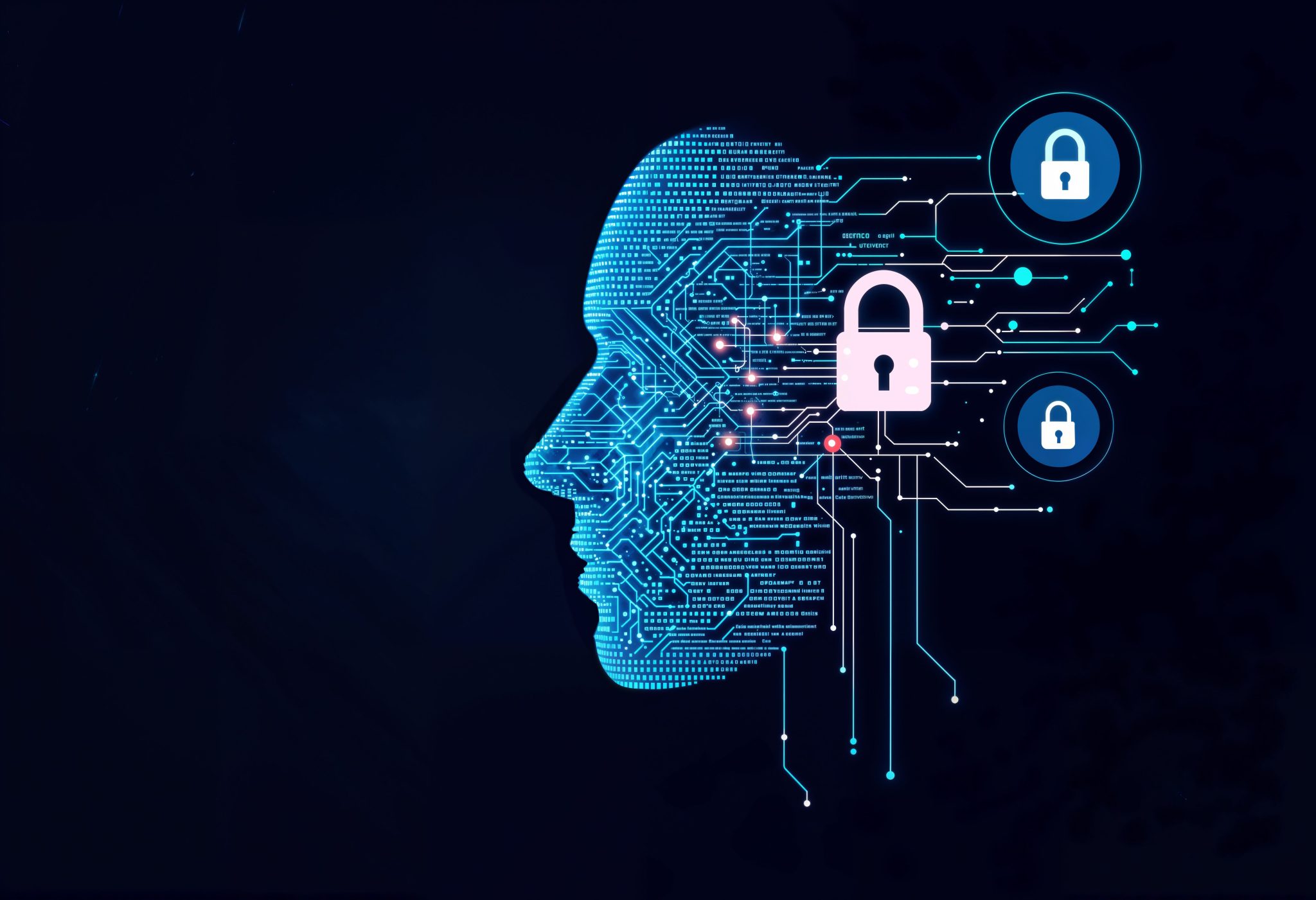
The UK Government’s call for AI companies to help build national cyber defence is a sign that cyber risk is accelerating faster than manual defence alone can handle. For UK SMEs, that matters now, not later, because the same AI-driven tactics threatening government and critical infrastructure are already making phishing, impersonation, and account compromise more effective in smaller firms.
This announcement is not a new compliance rule for SMEs. It is a strategic signal. The government is recognising that Cyber-attacks are becoming faster, more automated, and more convincing. In plain terms, AI-powered cyber defence means using artificial intelligence to detect threats, identify suspicious behaviour, and respond at greater speed. That may help national resilience over time. However, it does not remove the need for businesses to secure their own accounts, devices, and staff workflows.
The underlying risk is already visible across the UK market. The Cyber Security Breaches Survey 2025 found that 43% of businesses identified a cyber security breach or attack in the last 12 months, with phishing still the most common threat. That makes the national cyber defence conversation highly relevant to SME Cybersecurity, because AI will most likely amplify familiar attacks rather than replace them.
What are AI cyber threats, and why should SMEs care?
AI cyber threats are attacks where artificial intelligence improves the attacker’s speed, scale, or believability. In practice, that can mean more persuasive phishing emails, more convincing fake voices, faster targeting of exposed systems, or better impersonation of suppliers and senior staff.
For SMEs, the risk is practical rather than theoretical. A finance manager may receive a more convincing payment change request. An owner-manager may get a polished fake message that appears to come from a client. A small outsourced IT provider may be pressured by a realistic impersonation attempt. That is why cyber security for small businesses now depends even more on process discipline, not just technical tools.
What SME Cybersecurity controls should you prioritise first?
The strongest SME response is still built on fundamentals. AI changes the speed of attack, not the value of good basics.
1. Turn on multi-factor authentication for email, cloud admin accounts, password managers, and finance systems. This remains central to Cyber Essentials.
2. Strengthen verification for payment changes, password resets, and urgent account requests. If a process relies on trust alone, it is vulnerable to AI-enhanced impersonation.
3. Reduce shared administrator access and review privileged accounts regularly. Shared logins remain a common weak point in micro-businesses and growing SMEs.
4. Improve phishing protection for SMEs with short, realistic staff training based on current scams, especially around invoice fraud and business email compromise.
5. Keep systems supported and devices protected using the NCSC guidance on using devices securely. Good endpoint security for small business still matters.
Does the national cyber defence push change SME compliance obligations?
Not directly. However, it raises the bar on what sensible Cybersecurity looks like. The NCSC Small Business Guide and Cyber Essentials controls remain the clearest baseline for SME cyber resilience. If an AI-assisted attack exposes personal data, the ICO’s UK GDPR security guidance is still the practical benchmark for appropriate technical and organisational measures.
The important point is simple. National cyber defence can improve the wider environment, but it cannot compensate for weak internal controls. SMEs that tighten access, improve verification, and strengthen incident readiness will benefit most from the wider direction of travel.
Call to action: Use this government announcement as a trigger for a one-hour Cybersecurity review. Check MFA coverage, payment verification, shared admin access, and phishing reporting routes, then fix the weakest control first.

SECURUS Communications Ltd
Securus is a managed communications Operator, providing next-generation network infrastructure and value added services to Managed Hosting providers and the ‘cloud generation’ of enterprises. Securus priority is to offer communication services that represent excellent value for money and are backed by exceptional levels of support.
Contact Securus
Securus Communications Ltd
Station Road, Landmark house, Hook, England RG27 9HA, GB
T: Enquiries: 03451 283457 | Service Desk: 03451 283458
Securus on LinkedIn | Securus on “X” | https://securuscomms.com