SME Cybersecurity News | SMECYBERInsights.co.uk
SME Cybersecurity News – Helping Keep UK SMEs CYBERSafe with Daily News, Threat Intel & Best-Practice

SME Cybersecurity News | SMECYBERInsights.co.uk
SME Cybersecurity News – Helping Keep UK SMEs CYBERSafe with Daily News, Threat Intel & Best-Practice


Gibraltar: Thursday, 07 April 2026 – 07:00 CET
SME Cybersecurity: Why UK SMEs Must Prepare Now for Deepfake Fraud and Impersonation Attacks
By: Iain Fraser – Cybersecurity Journalist
Published in Collaboration with:
Securus Technology Group
SMECyberInsights.co.uk – First for SME Cybersecurity
Google Indexed PZero on: 070526 at 08:50 CET
#SMECyberInsights #SMECybersecurity #SMECyberInsights #SME #CyberSafe #CyberSecurity #Cybersecurity #CyberEssentials #DeepfakeFraud #CyberResilience
SME Cybersecurity: Why Deepfake Attacks Are Becoming a Real SME Risk
A convincing fake voice message from your managing director could now be enough to trigger a payment, reset an account, or release sensitive data. That is why deepfakes have moved from novelty to business risk. For UK SMEs, the danger is not only technical sophistication; it is speed, trust, and the fact that smaller firms often rely on informal approvals when people are busy.
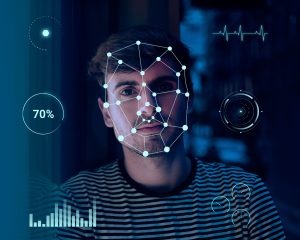
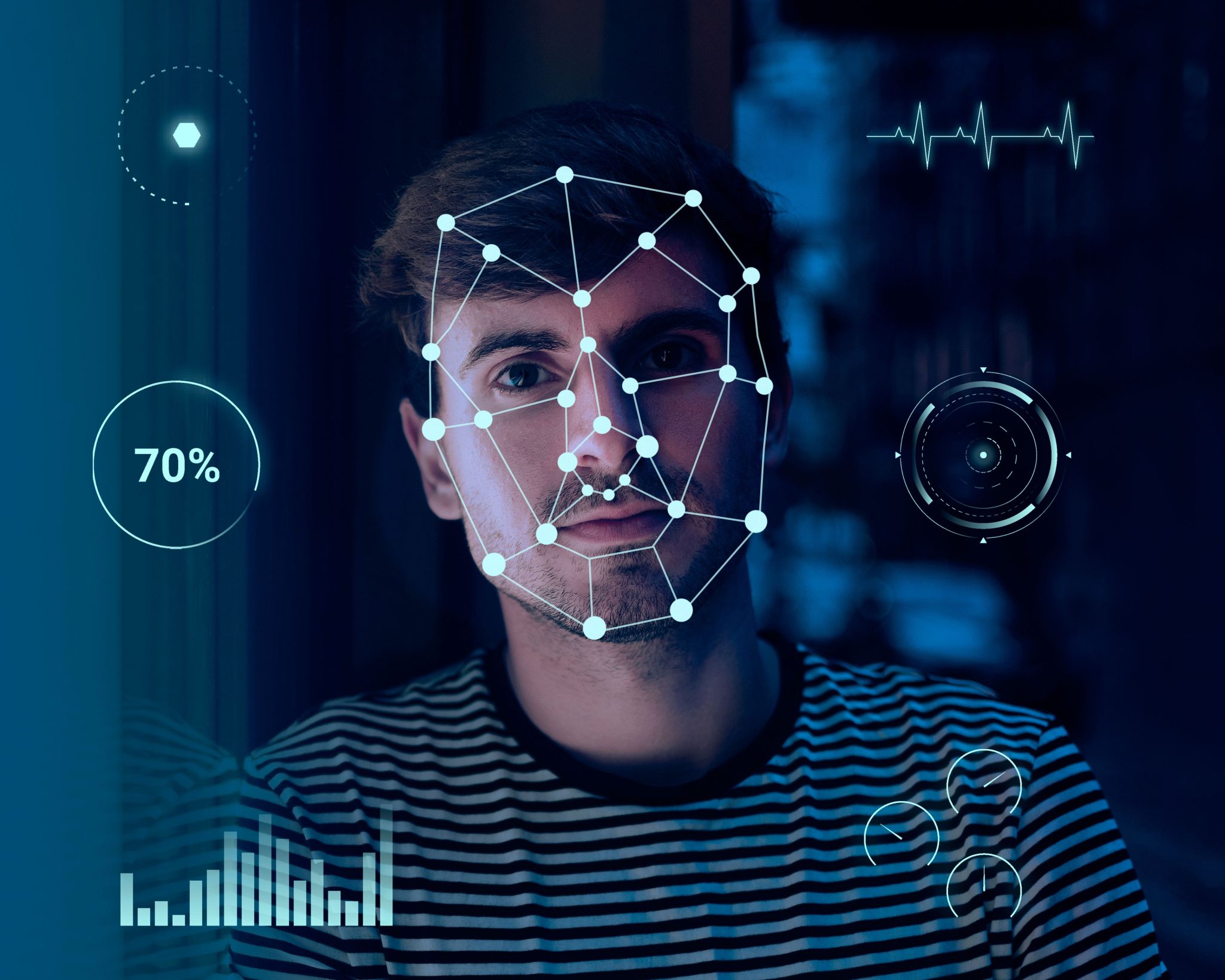
A deepfake is AI-generated content that imitates a real person’s voice, face, or manner of speaking. In a business setting, that usually means a fake voicemail, cloned voice note, altered video, or spoofed live call designed to impersonate a director, colleague, supplier, or client. The attack goal is simple: get someone to act before they stop to verify.
This threat sits inside a wider pattern of UK small business cyber threats. The UK Cyber Security Breaches Survey 2025 found that 43% of businesses identified a cyber security breach or attack in the last 12 months, with phishing remaining the most common attack type. Deepfakes build on the same principle, but they make impersonation more believable and harder to dismiss.
What Do Deepfakes Mean in Practice for SMEs?
For SMEs, deepfake risk is less about Hollywood-style fake videos and more about social engineering with sharper teeth. A finance manager may receive a voice note that sounds exactly like the owner asking for an urgent transfer. A junior staff member may get a video call from someone who appears to be an external IT provider asking them to approve access. A customer service team may be pressured into resetting credentials after hearing a familiar senior voice.
The commercial impact can be serious:
* fraudulent payments
* business email compromise combined with voice spoofing
* disclosure of personal or commercially sensitive data
* reputational damage if clients are deceived
* confusion during cyber incident response
SMEs are particularly exposed when approval chains are informal, staff know each other well, and speed is valued over process. Trust is a strength in small firms. It is also what attackers try to exploit.
Knowledge Section
What is a deepfake in a business context?
A deepfake in a business context is AI-generated audio or video designed to imitate a real person, usually to trick staff into taking action. For SMEs, that often means fake payment requests, credential resets, or urgent instructions that appear to come from a trusted director or supplier.
Are deepfakes really a risk for small businesses?
Yes. SMEs are attractive targets because decisions are often made quickly and with fewer formal checks. Attackers do not need perfect fake videos. A convincing cloned voice or realistic message can be enough to trigger fraud, data disclosure, or a wider cyber incident.
What is the most effective first step for SMEs?
The most effective first step is a simple verification policy. Any request involving money, access, or sensitive data should be confirmed using a second channel and a trusted contact method. That single process can significantly improve SME cyber resilience against impersonation attacks.
How Can UK SMEs Defend Against Deepfake Fraud Without a Big Budget?
The best defence is process, not panic. Most deepfake attacks fail when businesses slow down critical decisions and verify requests through a second channel.
Prioritise these sme cyber security best practices:
1. Create a callback rule for sensitive requests
If someone asks for a payment change, password reset, bank detail amendment, or urgent data release, verify it using a known phone number or separate channel.
2. Define approval controls for finance and HR
No single voice note, Teams message, or email should authorise payroll changes or bank transfers on its own.
3. Train staff on modern impersonation risk
Use short awareness sessions that explain how cloned voices and fake video requests work. This is now part of phishing protection for SMEs.
4. Harden accounts with multi-factor authentication (MFA)
MFA will not stop a fake voice call, but it helps prevent the account takeover that often supports a wider impersonation attack.
5. Review access and device security
Apply Cyber Essentials controls around secure configuration, access control, and malware protection. Good endpoint security for small business devices makes follow-on compromise less likely.
6. Protect personal data properly
If deepfake fraud leads to personal data exposure, ICO security guidance and personal data breach obligations may apply under UK GDPR.
The NCSC guidance for small and medium organisations remains highly relevant here. Deepfakes may be new in form, but the underlying controls are familiar: verify identity, reduce unnecessary access, and make high-risk actions harder to rush.
Important Conclusions
Deepfakes are not a future problem for large enterprises only. They are already becoming part of everyday SME Cybersecurity because they exploit trust, urgency, and weak verification. UK SMEs do not need expensive AI detection tools to improve resilience. They need clear approval rules, staff awareness, and reliable verification steps.
Action: Run a 20-minute team exercise this week; choose one payment request, one password reset, and one supplier change scenario, then decide how your business would verify each one safely.

SECURUS Communications Ltd
Securus is a managed communications Operator, providing next-generation network infrastructure and value added services to Managed Hosting providers and the ‘cloud generation’ of enterprises. Securus priority is to offer communication services that represent excellent value for money and are backed by exceptional levels of support.
Contact Securus
Securus Communications Ltd
Station Road, Landmark house, Hook, England RG27 9HA, GB
T: Enquiries: 03451 283457 | Service Desk: 03451 283458
Securus on LinkedIn | Securus on “X” | https://securuscomms.com