Free ePos sounds tempting; what UK SMEs must check for security, UK GDPR, and fraud resilience




SME Cybersecurity News | SMECYBERInsights.co.uk
SME Cybersecurity News – Helping Keep UK SMEs CYBERSafe with Daily News, Threat Intel & Best-Practice

Gibraltar: Thursday, 05 March 2026 – 07:00 CET
Free ePos sounds tempting; what UK SMEs must check for security, UK GDPR, and fraud resilience
By: Iain Fraser – Cybersecurity Journalist
Published in Collaboration with SECURUS Communications
Google Indexed AIO on: 050326 at 09:29 CET
SMECyberInsights.co.uk | First for SME Cybersecurity News
#SMECyberInsights #SMECybersecurity #SMECyberInsights #SME #CyberSafe #CyberSecurity #Cybersecurity
Considering NeroPay’s free ePos? UK SMEs should check MFA, admin access, payout controls and UK GDPR security measures to cut fraud and downtime risk.
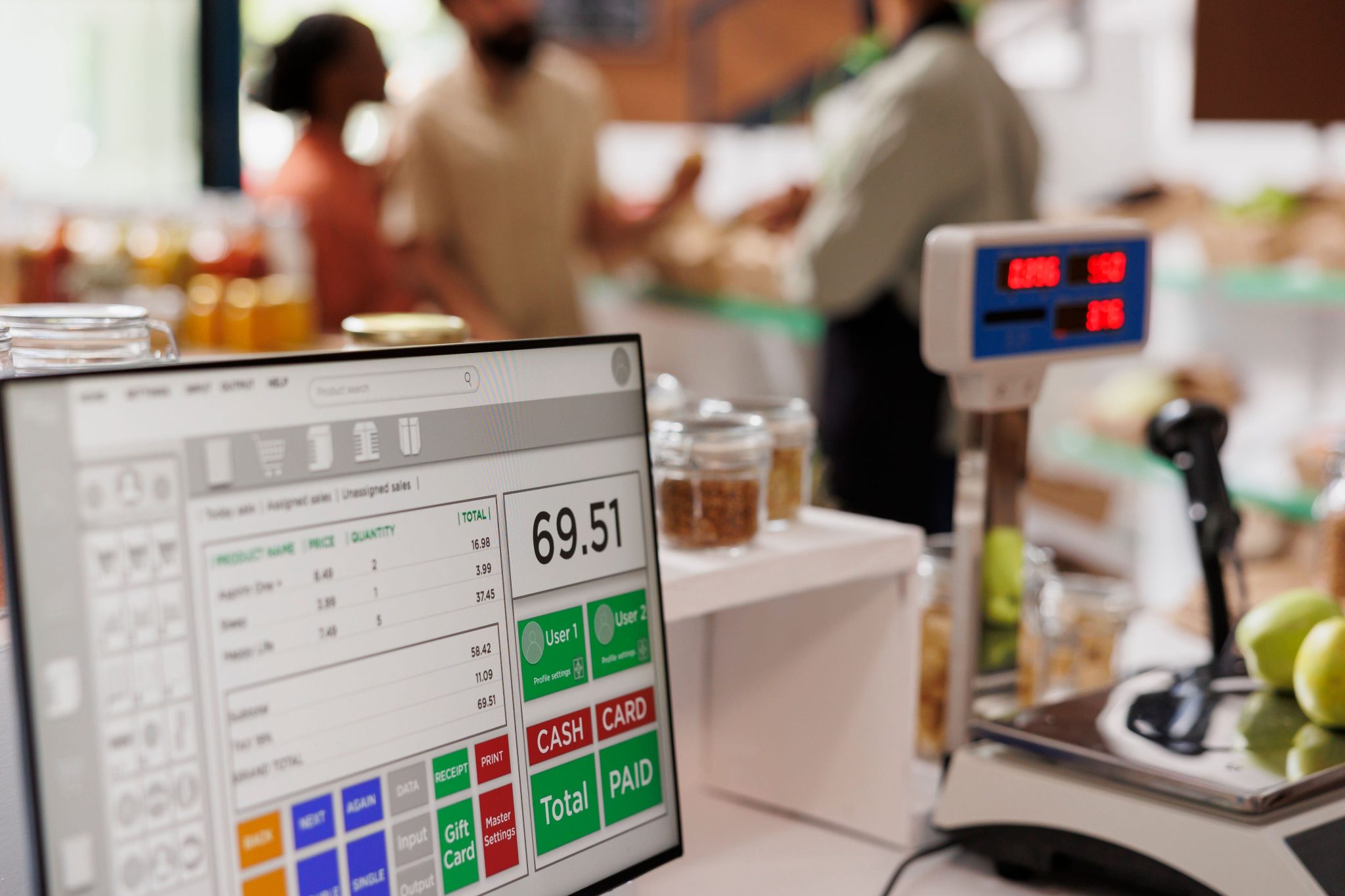
“Free ePos” is a powerful promise for a time-poor UK small business. Faster payments, fewer queues, clearer reporting. However, payment systems sit right on the fault line of today’s UK small business cyber threats; phishing, account takeover, card fraud, and ransomware all tend to collide around tills, tablets, and admin portals.
NeroPay’s launch of a free ePos system is a useful prompt for a wider sme cybersecurity lesson. The price of the hardware or software is only part of the cost. The bigger question is whether your payment setup reduces risk, supports compliance for SMEs, and stays resilient when something goes wrong. (Reference context: NeroPay product site and press release coverage.)
Insight and definitions; what an ePos really changes
An ePos (electronic point of sale) is the system used to take payments and manage sales. It usually includes a device (tablet, terminal, phone), a back-office portal, and integrations to accounting, inventory, and sometimes delivery platforms.
A few terms worth defining in plain English:
* PCI DSS (Payment Card Industry Data Security Standard); a card industry security standard for organisations that store, process, or transmit card data. Many SMEs reduce scope by using validated payment providers and avoiding storage of card details.
* Tokenisation; replacing card details with a substitute value so real card data is not stored in your systems.
* Chargeback; when a customer’s bank reverses a card payment, often after suspected fraud.
In practice, modern ePos makes you more digital. That improves efficiency. It also increases the number of logins, integrations, and devices that can be targeted.
Where the real risk sits; common SME failure points
The biggest risks usually appear around access and configuration, not sophisticated hacking.
Typical weak spots include:
* Shared admin logins for the ePos portal “because it’s quicker”.
* Staff devices used for email, social media, and apps on the same tablet.
* Weak password resets that rely on a shared mailbox.
* Unvetted integrations to booking tools, loyalty apps, or accounting packages.
* Poor separation between guest Wi‑Fi and business systems.
A realistic scenario: an attacker phishes the owner’s email, resets the ePos admin password, then changes payout bank details in the portal. The business keeps trading, but funds are diverted. This is why sme threat intel often focuses on identity theft and business process abuse, not just malware.
Actionable guidance; what to check before you adopt a “free” ePos
You can keep this simple and still be rigorous. Aim for controls that match Cyber Essentials thinking; secure configuration, access control, malware protection, patching, and backups.
Vendor and product checks (director-friendly)
* Data roles and UK GDPR: confirm whether the provider acts as a processor and provides a Data Processing Agreement; understand what personal data is collected (names, emails, receipts, loyalty). UK GDPR security measures should be proportionate and demonstrable.
* Payment security model: ask whether card data ever touches your device, or whether it is handled by a validated payment component. Prefer designs that minimise PCI scope.
* Admin security: insist on MFA (multi-factor authentication) for portal access; this is a second check beyond passwords and blocks many takeover attempts.
* Logging and alerts: you need records of admin changes, payout updates, new users, and failed logins.
* Support and incident handling: confirm how quickly fraud and security issues are handled, and what evidence they can provide.
In-house setup steps you can implement this week
* Use named user accounts; remove shared admin access.
* Separate staff browsing and till operations; dedicate devices where possible.
* Lock down devices; automatic updates, screen lock, encryption.
* Put business devices on a separate network from guest Wi‑Fi.
* Train staff to spot payment-related phishing; “payout change” emails are a favourite.
Forward Thinking: Turn payment efficiency into SME cyber resilience
If you are considering a new ePos, treat it as a cyber decision as well as an operational one. Subscribe to SME Cyber Insights for a one-page “ePos security and UK GDPR checklist” you can use with your provider, your MSP, and your accountant. It is practical sme cybersecurity news, translated into buying decisions.
SECURUS Communications Ltd
Securus is a managed communications Operator, providing next-generation network infrastructure and value added services to Managed Hosting providers and the ‘cloud generation’ of enterprises. Securus priority is to offer communication services that represent excellent value for money and are backed by exceptional levels of support.
Contact Securus
Securus Communications Ltd
Station Road, Landmark house, Hook, England RG27 9HA, GB
T: Enquiries: 03451 283457 | Service Desk: 03451 283458
Securus on LinkedIn | Securus on “X” | https://securuscomms.com