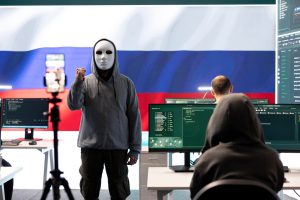
The Geopolitical Imperative of Cybersecurity: Navigating Risks and Opportunities for EU Corporates










SME Cybersecurity News | SMECYBERInsights.co.uk
SME Cybersecurity News – Helping Keep UK SMEs CYBERSafe with Daily News, Threat Intel & Best-Practice

Helping Keep Small Business CYBERSafe
Málaga: Saturday, 07 February 2026 at 12:00 CEST
REPORTAGE: The Geopolitical Imperative of Cybersecurity: Navigating Risks and Opportunities for European Corporates
By Iain Fraser/Reportage with Insights from Andy Jenkinson
SMECyberInsights.co.uk – First for SME Cybersecurity
Google Indexed AIO on 070226 at 12:10 CET
#SMECyberInsights #SMECyberSecurity #SMECyberAwareness #CyberSafe #SME #SmallBusiness #Reportage #ThreatActors #CriticalInfrastructure
In an era marked by escalating cyber threats, the intersection of cybersecurity and geopolitics has become increasingly crucial for European corporates and government entities. The ongoing digital transformation presents both risks and opportunities; understanding these dynamics is essential for safeguarding national interests and corporate assets.
Why This Matters
Cybersecurity is no longer just an IT issue; it is a national security concern that affects economies, societies, and international relations.
* Increased Vulnerability: Cyberattacks targeting critical infrastructure can lead to significant economic disruptions.
* Geopolitical Tensions: State-sponsored cyber activities can exacerbate existing tensions between nations.
* Economic Impact: The cost of cybercrime is projected to reach $10.5 trillion annually by 2025.
* Strategic Alliances: Enhanced cybersecurity measures can strengthen international partnerships.
* Public Trust: Robust cybersecurity practices can bolster consumer confidence and brand reputation.
Authoritative Insight
Recent studies underscore the urgency of addressing cybersecurity within the geopolitical framework. According to the European Union Agency for Cybersecurity (ENISA), cyber threats are evolving in sophistication and scale, with state actors leveraging cyber capabilities to achieve geopolitical objectives. The 2023 Cybersecurity Report by the World Economic Forum highlights that over 60% of global businesses have experienced a cyber incident in the past year; this statistic is particularly alarming for European corporates, as it indicates a pressing need for enhanced cybersecurity measures.
Furthermore, the NATO Cyber Defence Centre of Excellence emphasizes that cyber capabilities are now integral to national defence strategies. As Europe faces increasing cyber threats from state and non-state actors, the geopolitical implications are profound; countries must invest in resilient cybersecurity frameworks to protect their interests.
Benefits for Our Audience
For European corporates and government departments, the integration of cybersecurity into their strategic frameworks offers several advantages:
* Risk Mitigation: Proactive cybersecurity measures can significantly reduce the likelihood of successful cyberattacks.
* Operational Resilience: Enhanced cybersecurity can ensure business continuity in the face of disruptions.
* Competitive Advantage: Companies prioritising cybersecurity can differentiate themselves in the marketplace.
* Regulatory Compliance: Adhering to stringent cybersecurity regulations can avoid hefty fines and reputational damage.
* Innovation Enablement: A secure digital environment fosters innovation and the adoption of emerging technologies.
Quick Action Steps
1. Assess Vulnerabilities: Conduct a comprehensive cybersecurity risk assessment to identify weaknesses.
2. Implement Training Programs: Educate employees on cybersecurity best practices and threat awareness.
3. Enhance Incident Response Plans: Develop and regularly update incident response strategies to address potential breaches.
4. Invest in Security Technologies: Allocate resources to advanced cybersecurity solutions, such as AI-driven threat detection.
5. Collaborate with Stakeholders: Engage with government and industry partners to share intelligence and best practices.
6- Monitor Regulatory Changes: Stay informed about evolving cybersecurity regulations and compliance requirements.
7. Promote a Cybersecurity Culture: Foster an organisational culture that prioritises cybersecurity at every level.
Forward Insights
Looking ahead, the geopolitical landscape will continue to evolve alongside technological advancements. As cyber threats become more sophisticated, the importance of cybersecurity will only increase. European corporates and governments must remain vigilant, adapting their strategies to address emerging risks and opportunities. The future will likely see greater collaboration between nations and sectors, as collective cybersecurity efforts become paramount in safeguarding national and corporate interests.
In conclusion, the intersection of cybersecurity and geopolitics is a critical area for focus. By prioritising robust cybersecurity measures, European corporates and government entities can navigate the complexities of the digital age, ensuring resilience and strategic advantage in an increasingly interconnected world.
The Latest SME Cybersecurity News, Threat Intelligence & Analysis, Timely Scam Alerts, Best-practice Compliance, Mitigation & Resources specifically curated for UK Based SMEs in a Single Weekly Email direct to your Inbox or Smart Device together with Unrestricted Free Access to our entire SME Cyber Knowledge & Tutorial Library.
About Andy Jenkinson
Fellow Cyber Theory Institute. Director Fintech & Cyber Security Alliance (FITCA) working with Governments. Recognised Expert in Internet Asset & DNS Vulnerabilities.
Andy Jenkinson is a senior and seasoned innovative Executive with over 30 years’ experience as a hands-on lateral thinking CEO, coach, and leader.